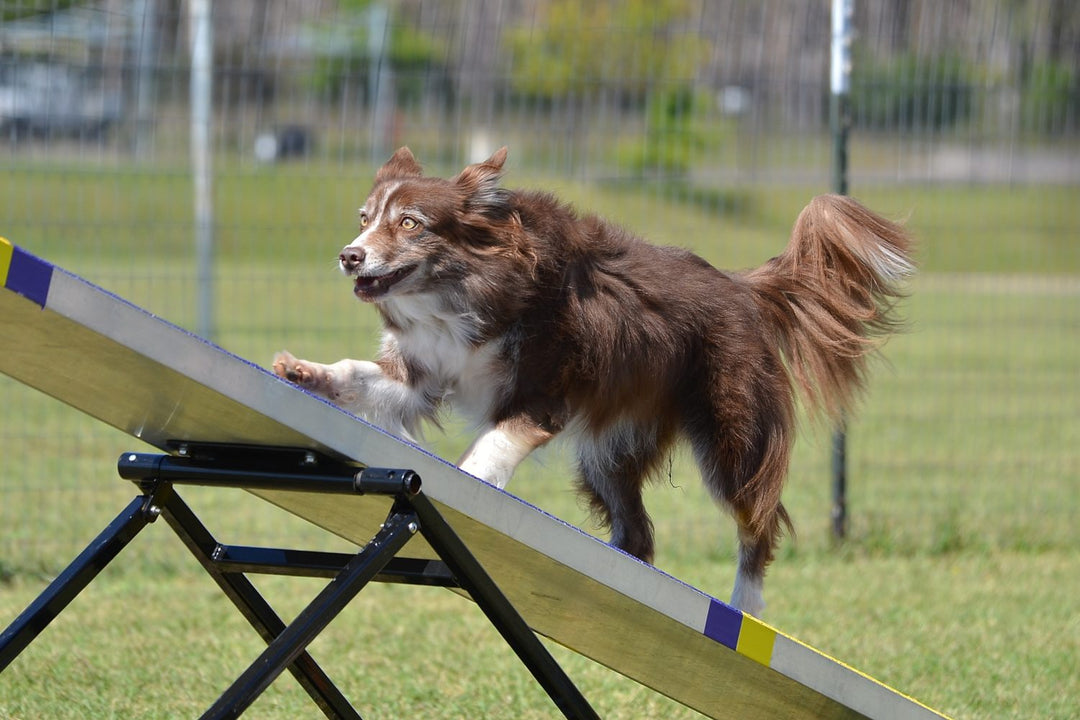
If you’re the owner of a big dog, you may not think of agility as being something you would need to concern yourself with. “Agility” in this context is not about your dog running an obstacle course, it is about keeping him or her active and healthy.
Is your dog overweight? It’s a question, that if you haven’t asked yourself or more importantly your veterinarian, you probably should. #BigDog issues arise, in many cases, when a dog is overweight because it puts additional strain on their bones and joints. As Dr. Carol Osborne said, “your dog should have a waist.”
Dr. Carol Osborne, DVM from the Chagrin Falls Pet Clinic in Ohio spoke with me about some of the health issues that face big and giant dog breeds. We discussed how to properly care for your giant breed dog from puppyhood through adulthood.
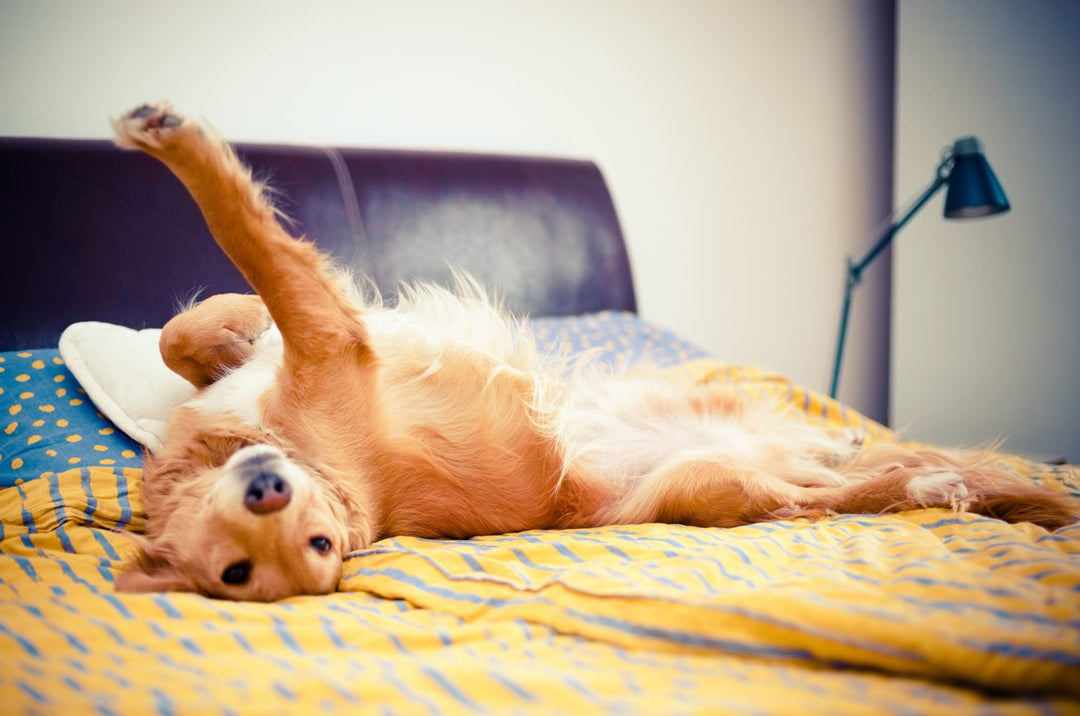
Conventional wisdom probably shows that you shouldn’t sleep with your dogs — regardless of their size, right? We know, however, that many of our pet-loving friends are more than willing to take a slice of the bed if their dog, big or small, wants to join them. Do you share your bed with a big dog?
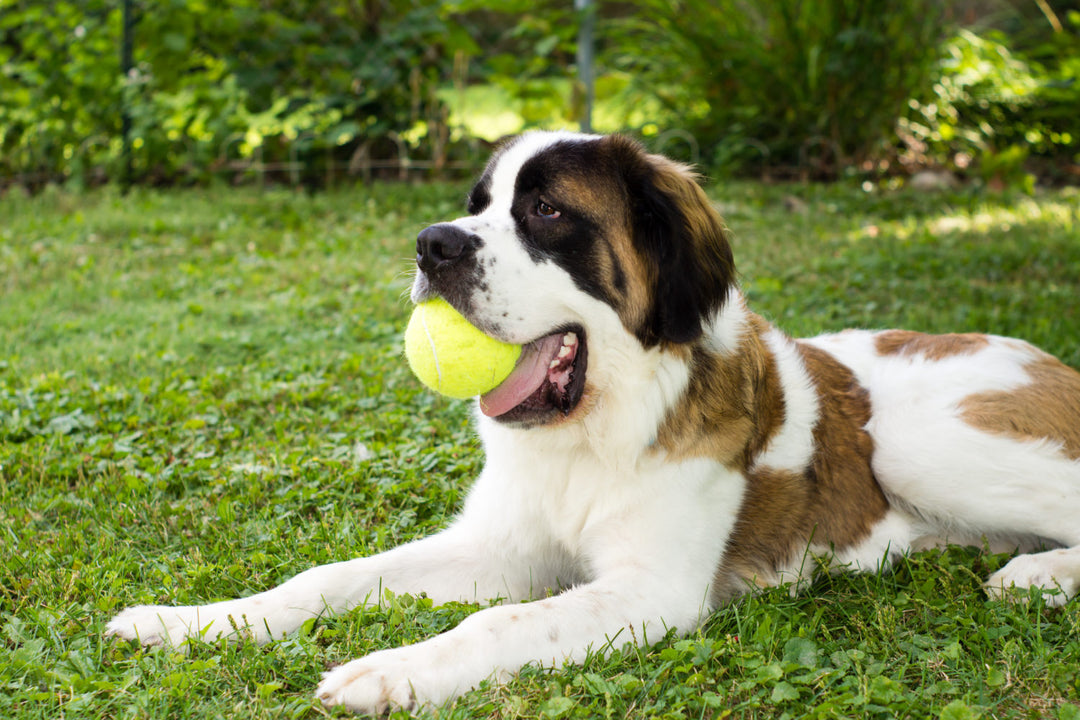
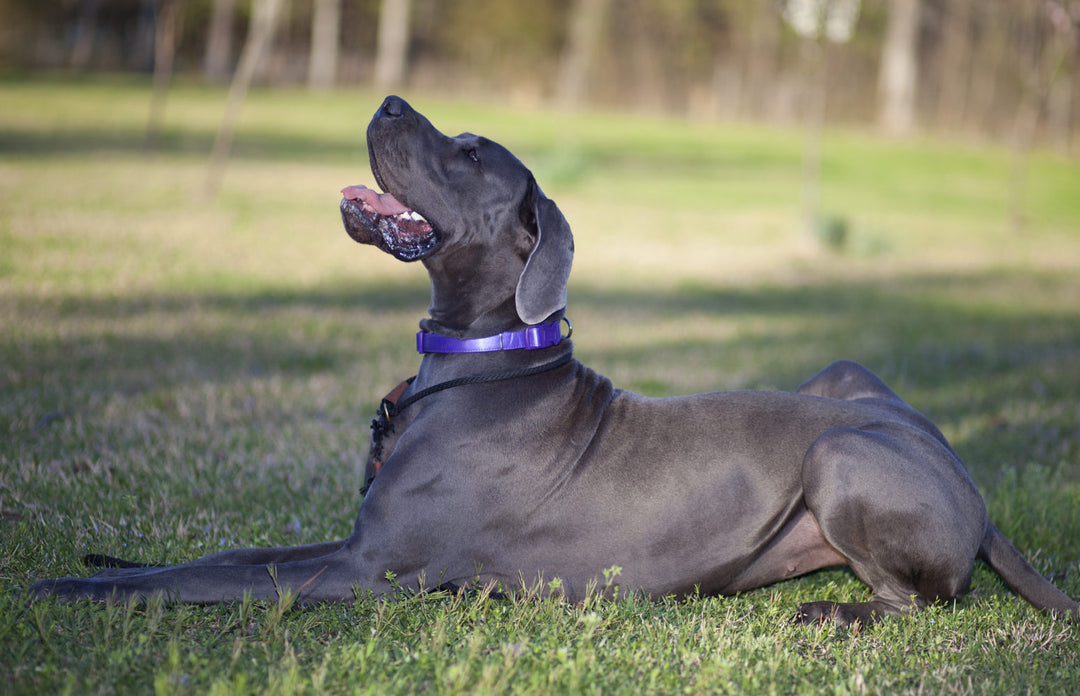
We love our big dogs, but we also know that many of the big breeds — Mastiffs, Great Danes, German Shepherds, Saint Bernards, Labrador Retrievers, Newfoundlands and others, suffer joint issues and are prone to canine hip dysplasia.
Just as winter makes our bones and joints ache, so too does the weather impact our four-legged family members’ joints. For big dogs, such as Great Danes, German Shepherds or Mastiffs who are prone to joint health issues, the cold can add an additional layer of “ache” onto their bones. How can you help your pet lead a healthier, less pain filled winter?
If your dog has hip dysplasia, then exercise is one of the most important things for your best friend. But how should you exercise your dog? Take a look at today's video for some helpful ideas.